
Table of Contents
- Why Homeowners Look Beyond Whole Home Generators
- Home Battery Backup Systems as a Primary Alternative
- Solar Battery Backup for Home Power Independence
- Portable Generator vs Standby Generator: Understanding the Difference
- Battery Backup vs Generator: Which Meets Your Needs
- Hybrid Approaches: Combining Multiple Power Solutions
- Getting Expert Guidance on Your Backup Power Options
- Frequently Asked Questions
Last Updated: October 12, 2026
Why Homeowners Look Beyond Whole Home Generators
When homeowners in Austin consider backup power solutions, whole home generators aren’t always the right fit. The reasons vary: installation complexity, ongoing maintenance demands, fuel supply concerns, or simply wanting alternatives to whole home generator systems that align better with modern energy independence goals.
Alternatives to whole home generator systems have expanded dramatically over the past few years. Battery backup systems, solar-powered solutions, portable generators, and hybrid approaches now give homeowners real choices. Each option trades off different factors: upfront cost, runtime during extended outages, noise levels, environmental impact, and the hands-on maintenance they demand.
The key is understanding what each alternative actually delivers in practice. Some work best for short outages. Others shine when you want to reduce grid dependence long-term. A few combine multiple technologies for maximum resilience.
At Strong Tower Solar Electrical Services & Generators LLC, we help homeowners in the Austin area evaluate these options based on their actual situation, not marketing promises. This guide breaks down the leading alternatives and shows you how to think through which one matches your needs.
Home Battery Backup Systems as a Primary Alternative
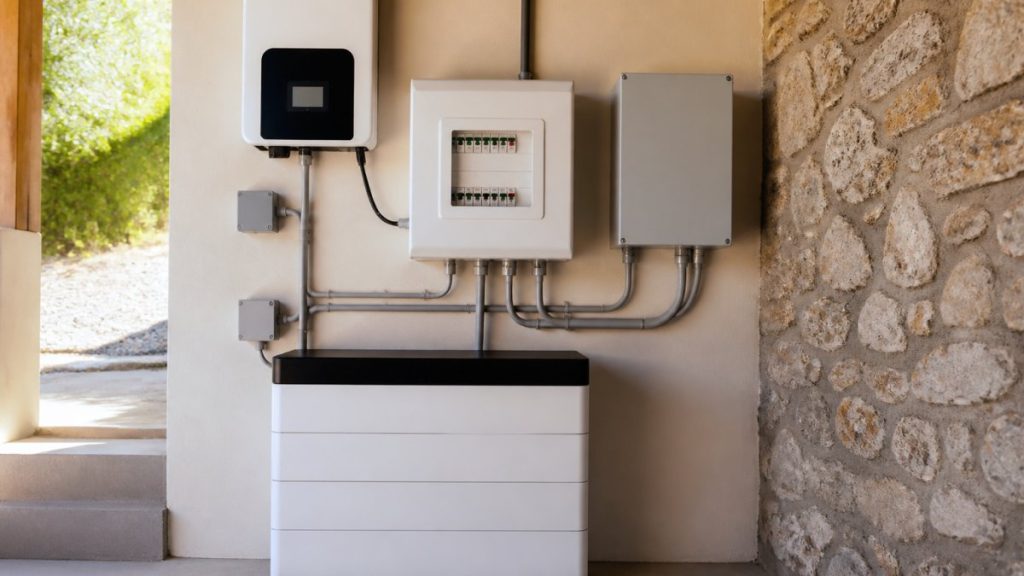
A home battery backup system stores electrical energy in rechargeable batteries and releases it during power outages, keeping essential circuits running without fuel or noise. These systems sit between whole home generators and solar solutions in terms of capability and cost.
Battery backup systems work best for homes that want quiet, low-maintenance backup power for 4-12 hours of moderate use. They require no fuel storage, produce zero emissions, and need minimal upkeep. The tradeoff: they can’t run indefinitely like a fuel-powered generator.
How Battery Backup Works During Outages
When the grid goes down, a battery backup system detects the outage instantly and switches to battery power. Your home continues running on stored energy. Most systems let you prioritize which circuits stay powered, typically kitchen, bedrooms, and critical loads, so the battery lasts longer.
The system recharges when grid power returns. If you pair it with solar panels, the batteries can recharge during the day even without grid power, extending your independence considerably.
Installation and Maintenance Considerations
Battery backup installation requires a licensed electrician familiar with battery systems and electrical codes. In Austin, this means working with professionals who understand local permit requirements and utility interconnection rules.
Maintenance is straightforward: most modern lithium battery systems need no regular servicing. Unlike generators, there’s no oil to change, no fuel lines to inspect, no seasonal startup procedures. The battery itself degrades slowly over time, expect 10-15 years of useful life for quality systems.
The main consideration is upfront cost and available space. Battery systems typically mount on an exterior wall or in a garage, requiring secure installation and proper ventilation.
Solar Battery Backup for Home Power Independence
Combining solar panels with battery storage creates a system that generates its own power and stores it for use at night or during outages. This approach offers the deepest independence from grid electricity and fuel costs.
Solar battery backup works by having panels generate power during the day, with excess energy stored in batteries. When the sun sets or clouds roll in, the batteries provide power. During an outage, the system islands from the grid and runs entirely on solar generation and stored energy.
Combining Solar Panels with Battery Storage
The pairing of solar and batteries is powerful because each solves the other’s weakness. Solar alone doesn’t help at night. Batteries alone deplete unless recharged. Together, they create a resilient, self-sufficient system.
A typical Austin home might use 20-30 kWh of electricity daily. Solar panels generate roughly 4-5 kWh per day per kilowatt of installed capacity, depending on season and weather. Batteries store 10-15 kWh for nighttime and cloudy-day use.
Performance During Extended Outages
During multi-day outages, solar battery systems maintain power as long as the sun shines and the battery has capacity. Cloudy days reduce generation, but the system still functions, just at reduced capacity.
This is where solar battery backup outperforms standalone battery systems. A battery-only system empties after 8-12 hours of use. A solar battery system recharges during the day and can sustain indefinitely if you manage loads wisely.
The tradeoff: solar battery systems cost more upfront than batteries alone, and they require roof space and favorable sun exposure. In Austin’s climate, most homes have excellent solar potential, making this a practical option for many.
Portable Generator vs Standby Generator: Understanding the Difference
Portable and standby generators both burn fuel to create electricity, but they serve different purposes and have very different operational profiles.
A portable generator is a compact, mobile unit you can move between locations. A standby generator is a permanent installation that automatically activates when the grid fails. Understanding the difference helps clarify when each makes sense.
When Portable Generators Make Sense
Portable generators excel for temporary power needs, outdoor events, camping, or emergency backup when you don’t want a permanent installation. They’re affordable, require no installation, and you control when to run them.
Drawbacks: they’re loud (typically 70-90 decibels), require manual startup and fuel management, produce exhaust, and can’t power your whole home simultaneously. They also demand proper ventilation, never run them indoors, as carbon monoxide is deadly.
For Austin homeowners, portable generators work best as a stopgap solution or supplement to other backup power, not as a primary strategy.
Standby Generator Advantages and Drawbacks
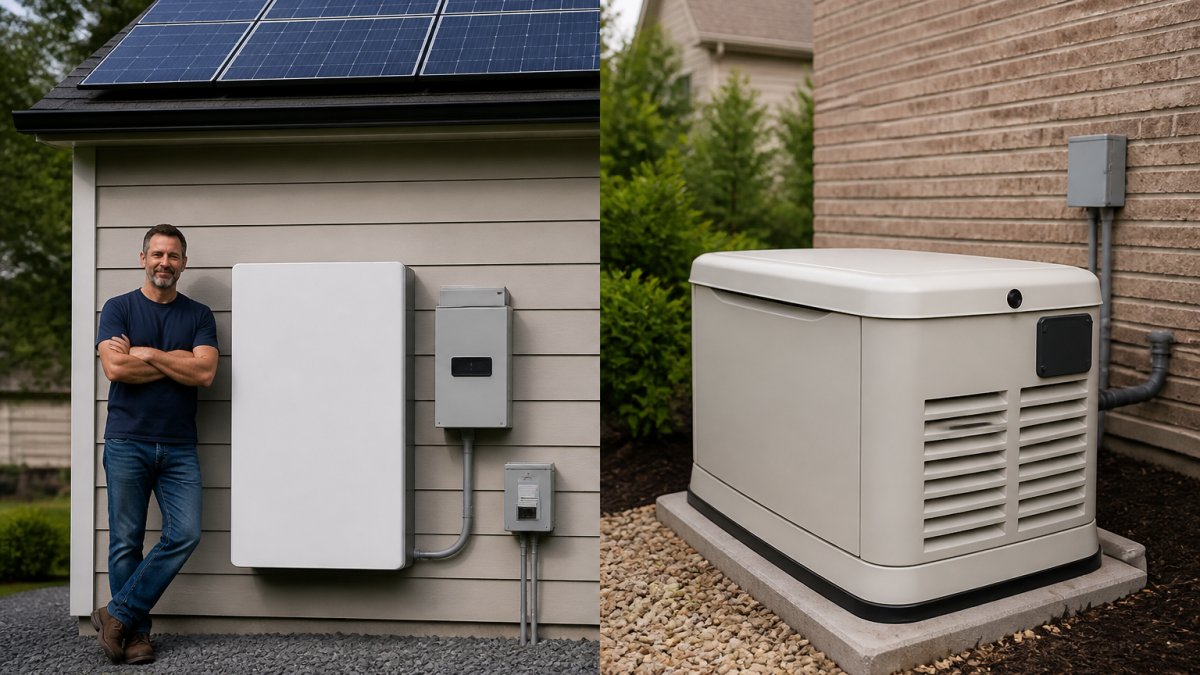
Standby generators mount permanently outside your home and automatically detect outages. They switch on within seconds, run on natural gas or propane, and can power your entire home for days or weeks as long as fuel flows.
Advantages: automatic operation, no manual intervention, high power output, and long runtime. Drawbacks: significant upfront installation cost, ongoing maintenance (oil changes, load testing, fuel line inspection), noise during operation, and regular fuel supply dependence.
Standby generators are the traditional choice for homeowners who want set-it-and-forget-it backup power. They’re reliable and proven, but they’re also the most expensive upfront and require professional installation and annual servicing.
Battery Backup vs Generator: Which Meets Your Needs
The choice between battery backup and generator systems depends on your priorities: cost, runtime, noise, maintenance, and environmental impact.
| Factor | Battery Backup | Portable Generator | Standby Generator |
|---|---|---|---|
| Upfront Cost | Medium-High | Low | High |
| Runtime | 4-12 hours | 8-20 hours | Days/weeks |
| Noise Level | Silent | 70-90 dB | 70-85 dB |
| Maintenance | Minimal | Regular | Annual service |
| Fuel Needed | No | Yes (gasoline) | Yes (propane/gas) |
| Installation | Professional | None | Professional |
| Best For | Short outages, quiet operation | Temporary needs | Long-term backup |
Cost, Runtime, and Maintenance Comparison
Battery backup systems cost less to install than standby generators but more than portable generators. They run silently and need almost no maintenance. Runtime is limited, typically 4-12 hours of typical home use, but pairs well with solar to extend independence.
Portable generators cost least upfront but demand regular maintenance, fuel management, and manual operation. Runtime depends on tank size and load, typically 8-20 hours per tank.
Standby generators cost most upfront but deliver the longest runtime and highest power output. They require annual professional maintenance and depend on reliable fuel supply.
Environmental and Noise Considerations
Battery systems produce zero emissions and zero noise. Generators produce both. In Austin neighborhoods with noise restrictions, battery backup is quieter. Environmentally, battery systems paired with solar are cleanest. Fuel-based generators produce emissions and require ongoing fuel sourcing.
For homeowners prioritizing sustainability and quiet operation, battery backup, especially with solar, wins. For those needing weeks of power without recharging, standby generators deliver.
Hybrid Approaches: Combining Multiple Power Solutions
The most resilient backup strategies combine multiple technologies. A common hybrid approach pairs solar panels with battery storage and a small portable generator as a backup.
This combination works like this: solar and batteries handle normal outages and day-to-day grid independence. If an extended outage exhausts the batteries and clouds block the sun, the portable generator kicks in as a final safety net. You get the quiet, low-maintenance benefits of battery systems with the long-runtime security of a generator.
Another hybrid approach combines a standby generator with battery backup. The batteries handle short outages silently and instantly. For longer outages, the generator activates. This reduces generator runtime and fuel consumption while maintaining maximum resilience.
The tradeoff with hybrid systems is complexity and higher total cost. However, many Austin homeowners find the added resilience and flexibility worth the investment.
Getting Expert Guidance on Your Backup Power Options
Choosing among alternatives to whole home generator systems requires understanding your actual power needs, outage patterns in your area, and long-term goals. A professional evaluation clarifies which option, or combination, makes sense for your situation.
Strong Tower Solar Electrical Services & Generators LLC provides free estimates and expert consultation on backup power solutions. Our licensed electricians and solar professionals assess your home’s electrical capacity, roof suitability for solar, and backup power requirements. We discuss installation timelines, maintenance expectations, and how each option integrates with your existing electrical system.
Whether you’re considering battery backup, solar battery systems, portable generators, standby units, or hybrid approaches, getting professional guidance ensures your choice is informed and properly installed. Our team serves homeowners throughout Austin and the surrounding area with code-compliant installations and clear communication about what each solution actually delivers.
When power outages threaten your home’s comfort and safety, the right backup solution provides peace of mind. Battery backup systems, solar battery combinations, and generator alternatives each offer distinct advantages. Strong Tower Solar Electrical Services & Generators LLC helps Austin homeowners select and install the backup power system that matches their needs, budget, and long-term energy goals. Our licensed team delivers safe, code-compliant installations with expert troubleshooting and maintenance support. Get Estimate today and discover which backup power alternative works best for your home.
Frequently Asked Questions
Can a home battery backup system replace a whole home generator entirely?
A home battery backup system can power essential appliances during an outage, but runtime depends on battery capacity and your household’s energy consumption. Most batteries provide 4-12 hours of backup power. For extended outages lasting multiple days, a generator or solar-plus-battery combination offers better reliability. Battery systems excel at bridging short outages and work silently indoors, while generators provide longer runtime at lower cost per kilowatt-hour.
What’s the difference between a portable generator and a standby generator?
Portable generators are mobile units you fuel manually and connect via extension cords to specific appliances. Standby generators are permanently installed, activate automatically during outages, and power your entire home. Portable units cost less upfront but require manual setup and produce noise. Standby generators offer convenience and full-home coverage but involve higher installation costs and require regular maintenance like any stationary equipment.
How does solar battery backup for home use compare to traditional generators?
Solar battery backup systems generate power from sunlight and store it for use during outages or nighttime. They produce zero emissions, operate silently, and reduce grid dependence. However, they depend on weather conditions and require sufficient roof space. Generators provide reliable power regardless of weather but consume fuel and produce emissions. Many homeowners combine solar batteries with a backup generator for comprehensive protection.
What factors should I consider when choosing between battery backup and a generator?
Consider your budget, outage duration expectations, noise tolerance, and maintenance capacity. Battery systems suit short outages and quiet operation needs but cost more upfront. Generators handle extended outages affordably but require fuel storage, regular maintenance, and produce noise. Evaluate your home’s electrical panel capacity, available installation space, and whether you want to add solar. Professional assessment ensures your choice matches your specific situation and local electrical codes.