
Last Updated: October 23, 2026
Quick Summary
EV charger installation cost depends on your home’s electrical panel capacity, distance from the panel to charger location, charger type, and local permitting requirements. Panel upgrades, if needed, are often the largest cost driver.
- Level 2 chargers draw 30 to 50 amps and add 25 to 30 miles of range per hour
- Homes built before 2000 typically have 100-amp panels; newer homes usually have 200-amp panels
- A professional site visit from a licensed electrician provides an accurate estimate specific to your home
- Rebates and federal tax credits can substantially reduce your out-of-pocket installation cost
- Every EV charger installation requires a permit to ensure code compliance and safety
Table of Contents
- EV Charger Installation Cost Estimate: What Homeowners Pay in 2026
- What Affects Your EV Charger Installation Cost
- Level 2 EV Charger Installation Cost Breakdown
- Using an EV Charger Installation Cost Calculator
- Austin Energy Home EV Charger Rebate and Incentives
- EV Charger Installation Permit Requirements in Austin
- Cost Trends and What to Expect in 2026 and Beyond
- How to Get an Accurate Installation Estimate
- Frequently Asked Questions
EV Charger Installation Cost Estimate: What Homeowners Pay in 2026
Installing an EV charger at your home is a smart investment, but the cost varies dramatically based on your specific situation. At Strong Tower Solar Electrical Services & Generators LLC, we help homeowners understand exactly what drives those costs so they can plan accordingly. An EV charger installation cost estimate in 2026 depends on multiple factors that go far beyond just buying the charger itself. Understanding these variables upfront helps you avoid surprises and make informed decisions about your home’s electrical infrastructure.
The actual price you’ll pay reflects your home’s electrical capacity, the distance from your panel to the charger location, the charger type you choose, and local permitting requirements. Some homes need only a straightforward installation, while others require significant electrical panel upgrades. This guide walks you through every factor that affects your EV charger installation cost estimate, shows you how to use a cost calculator effectively, and explains the incentives available to Austin residents.
What Affects Your EV Charger Installation Cost
Your EV charger installation cost estimate hinges on four major factors. The first is whether your home’s electrical panel can handle the charger’s power demand. The second is how far the charger sits from your panel. The third is which charger type and power level you select. The fourth involves local codes and permitting. Each of these directly impacts labor and materials.
Electrical Panel Capacity and Upgrades
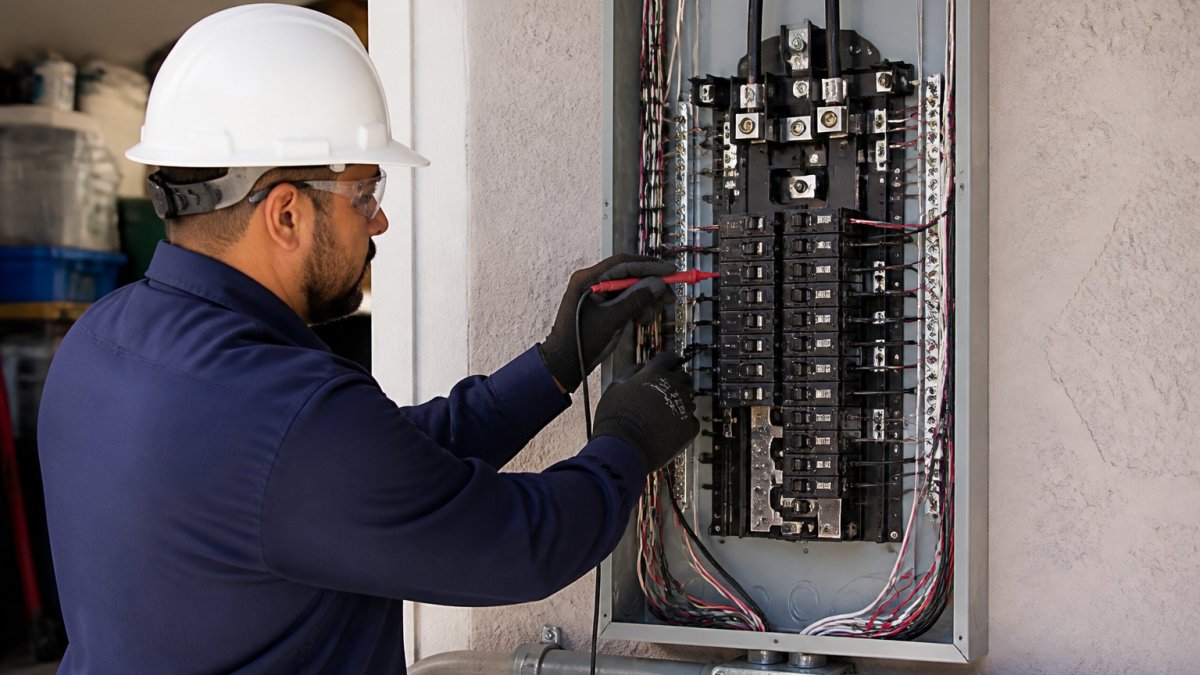
Most homes built before 2000 have 100-amp electrical panels, while newer homes typically have 200-amp panels. A Level 2 charger draws between 30 and 50 amps. If your panel doesn’t have available capacity, you’ll need an upgrade. This is often the single largest cost driver in an EV charger installation cost estimate.
A panel upgrade involves replacing the main service panel and potentially upgrading the utility connection at the meter. This is not a small job. It requires coordination with your utility company, inspections, and skilled electrical work. When homeowners discover they need a panel upgrade, it significantly increases their overall project cost compared to installations where the panel already has spare capacity.
Distance from Panel to Charger Location
The farther your charger sits from the electrical panel, the longer the conduit run and the more wire you need. A charger installed in an attached garage 20 feet from the panel costs less than one installed in a detached garage 80 feet away. Longer runs also require heavier gauge wire to handle voltage drop over distance, which adds material and labor costs.
Routing also matters. Running conduit through walls, under concrete, or along exterior surfaces takes more time and planning than a straightforward interior run. If your desired charger location requires creative routing or trenching, your EV charger installation cost estimate will reflect that complexity.
Charger Type and Power Level
Level 1 chargers use a standard 120-volt household outlet and add about 3 miles of range per hour of charging. Level 2 chargers use 240 volts and add 25 to 30 miles of range per hour. DC fast chargers require three-phase power and are rarely installed in homes. Most homeowners choose Level 2 for residential use because it balances charging speed with installation practicality.
Level 2 chargers vary in amperage from 30 to 50 amps. A 30-amp charger costs less to install than a 50-amp model because it requires lighter-duty components and wiring. Your choice depends on your vehicle’s charging capability and how quickly you want to charge. This decision directly affects your EV charger installation cost estimate.
Level 2 EV Charger Installation Cost Breakdown
A Level 2 EV charger installation cost typically includes several components. The charger unit itself is one line item. Electrical work, running conduit, pulling wire, and making connections, is another. Permits and inspections add a third. Panel upgrades, if needed, can dwarf everything else.
The labor portion depends on the complexity of your installation. A simple installation in a home with available panel capacity and a short run to the garage costs less in labor than a complex installation requiring panel upgrades and long conduit runs. Material costs include the charger, wire, conduit, breaker, disconnect switch, and any hardware needed for mounting.
Permitting fees vary but are a predictable cost. The inspection process ensures your installation meets the National Electrical Code and local requirements. This step is non-negotiable and protects your safety and your home’s resale value.
Using an EV Charger Installation Cost Calculator
An EV charger installation cost calculator helps you estimate your project before calling a contractor. These tools ask about your panel capacity, the distance from panel to charger, your charger type preference, and your zip code. They use this information to generate a rough estimate.
A calculator gives you a starting point, but it’s not a substitute for a professional evaluation. Every home is different. Your actual EV charger installation cost estimate from a licensed electrician will be more accurate because they can assess your specific panel, wiring, and installation challenges in person. Use a calculator to set expectations, then get a detailed quote from a qualified professional like the team at Strong Tower Solar Electrical Services & Generators LLC.
Austin Energy Home EV Charger Rebate and Incentives
Residents may qualify for incentives that reduce the out-of-pocket cost of EV charger installation. Programs offer rebates for residential EV charger installations that meet specific criteria. These incentives are designed to encourage adoption of electric vehicles and reduce emissions in the region.
Rebate eligibility typically requires that your charger meets certain efficiency standards and that the installation is performed by a licensed, insured contractor. Rebate programs change periodically, so verify current eligibility and rebate amounts through official websites or by contacting them directly. Combining rebates with your own budget planning makes the true cost of ownership much more manageable.
Federal tax credits may also apply. The federal government offers tax credits for residential EV charging equipment installation. These credits reduce your federal income tax liability and can substantially lower your net cost. Check current federal guidelines to see if you qualify and how much you can claim.
EV Charger Installation Permit Requirements in Austin
Every EV charger installation requires a permit. This is not optional. The permitting process ensures your installation meets the National Electrical Code, local ordinances, and utility requirements. Skipping permits exposes you to liability, voids warranties, and creates problems if you sell your home.
The permit process involves submitting plans to the relevant authority, having an inspector review your installation before and after completion, and paying permit fees. Licensed electricians handle this paperwork as part of their service. When you hire Strong Tower Solar Electrical Services & Generators LLC, we manage the entire permitting process so you don’t have to navigate it yourself.
Inspections are a built-in safety check. The inspector verifies that your charger is installed according to code, that your electrical work is safe, and that all connections are secure. This professional oversight protects your home and ensures your system operates reliably.
Cost Trends and What to Expect in 2026 and Beyond
EV charger technology continues to evolve, and installation practices improve as electricians gain experience. In 2026, the market for residential EV chargers is mature enough that pricing has stabilized for standard installations. However, costs remain sensitive to panel capacity, distance, and local labor rates.
Material costs for chargers and electrical components fluctuate with supply chains and manufacturing capacity. Labor costs reflect local market conditions and the skill level of your contractor. As more homes install chargers, competition among installers may create downward pressure on labor rates in some areas, though this varies by region.
Future trends suggest that standardized installation practices and increased familiarity with EV charger systems will continue to simplify the process. Homeowners should expect that installations requiring panel upgrades will remain the most expensive scenario, while straightforward installations in homes with available capacity will remain relatively affordable.
How to Get an Accurate Installation Estimate
Getting an accurate EV charger installation cost estimate requires a site visit from a licensed electrician. During the visit, the electrician evaluates your electrical panel, measures the distance to your desired charger location, assesses your home’s wiring condition, and identifies any obstacles or challenges.
A reputable contractor like Strong Tower Solar Electrical Services & Generators LLC provides a detailed written estimate that breaks down labor, materials, permits, and any upgrades needed. This estimate should be specific to your home and situation, not a generic quote. It should also include timelines and any warranties or guarantees.
When comparing estimates from different contractors, make sure you’re comparing the same scope of work. One estimate that includes panel upgrades shouldn’t be compared directly to one that doesn’t. Ask each contractor to explain what’s included, what permits they’ll handle, and what warranty they offer.
| Factor | Impact on Cost | What to Check |
|---|---|---|
| Panel capacity | High | Do you have 30-50 amps available? |
| Distance from panel | Medium | How many feet to charger location? |
| Charger type (30A vs 50A) | Medium | Which power level do you need? |
| Panel upgrade needed | Very High | Does your panel need replacement? |
| Permitting | Low to Medium | What are local permit fees? |
| Conduit routing complexity | Medium | Straight run or obstacles? |
Choosing when and how to install an EV charger is a significant home investment. Strong Tower Solar Electrical Services & Generators LLC helps homeowners understand their EV charger installation cost estimate and navigate the entire process from initial evaluation through final inspection.
Frequently Asked Questions
How much does it cost to install a Level 2 EV charger at home?
EV charger installation cost depends on your home’s electrical setup, distance from the panel to the charger location, and whether panel upgrades are needed. Pricing varies significantly based on these factors. Contact Strong Tower Solar Electrical Services & Generators LLC for a free estimate tailored to your property and home’s specific requirements.
What factors affect the cost of EV charger installation?
The main cost drivers include electrical panel capacity (upgrades cost more), distance from the panel to charger location (longer runs require more wire and labor), charger type (Level 1 vs. Level 2), local permit requirements, and whether your home’s wiring meets current code. Older homes built in the 1980s often need panel upgrades, which increases the total cost significantly.
Does Austin Energy offer a rebate for a home EV charger?
Incentive programs for residential EV charger installations may be available. Eligibility and rebate amounts change annually, so verify current offerings directly with the program providers. Strong Tower Solar Electrical Services & Generators LLC can help you understand what rebates your installation may qualify for and guide you through the application process.
Do I need a permit to install an EV charger in Austin, Texas?
Yes. EV charger installations require electrical permits. The permit process ensures your installation meets the National Electrical Code and local building codes. Your electrician handles the permit application and inspection coordination. Skipping permits creates liability issues and may void insurance coverage. Always hire a licensed, insured contractor who pulls proper permits.
Should I upgrade my electrical panel for an EV charger?
Panel upgrades depend on your home’s current electrical capacity and the charger’s power requirements. Homes with older 100-amp panels often need upgrades to safely support a Level 2 charger. A licensed electrician can assess your panel during a home inspection and recommend whether an upgrade is necessary. This is a critical safety decision that should never be skipped.
How long does EV charger installation take?
Installation timelines vary. Simple installations in homes with adequate panel capacity may take one day. Homes requiring panel upgrades, longer wire runs, or permit delays can take several days to a few weeks. Strong Tower Solar Electrical Services & Generators LLC provides realistic timelines during the estimate phase based on your specific situation.
