Table of Contents
- Why Electrical Repairs Keep Failing: The Root Causes
- Circuit Breaker Keeps Tripping After Reset
- Flickering Lights After Repair: What’s Really Happening
- Loose Electrical Connection Symptoms and Dangers
- Electrical Troubleshooting Steps Before Calling a Professional
- Why Quick Fixes Don’t Last
- When to Call a Licensed Electrician
- Frequently Asked Questions
Last Updated: October 18, 2026
Why Electrical Repairs Keep Failing: The Root Causes
When you call an electrician, you expect the fix to last. But many Austin homeowners call back within weeks or months when the same issue returns, and there’s usually a reason why electrical repairs keep failing.
The problem rarely lies with the electrician’s skill. Quick fixes address the symptom, not the underlying cause.
Understanding why it happens can help you avoid wasting money and keep your home safe.
The most common reason repairs fail is incomplete troubleshooting. An electrician might replace a breaker without checking why it tripped, tighten a loose connection without investigating the cause, or swap a fixture without testing circuit voltage.
Recurring electrical failures aren’t just frustrating, they’re a safety hazard. A breaker that keeps tripping is trying to protect your home from overload or fault conditions. Ignoring that signal can lead to fires, shock hazards, or equipment damage.
Circuit Breaker Keeps Tripping After Reset
A circuit breaker that trips repeatedly is your home’s electrical system sending a distress signal. When it trips again within hours or days of a reset, the breaker isn’t defective, it’s doing its job by shutting off power when it detects a problem.
Most homeowners think a tripping breaker means they need a new breaker. That’s rarely true. The breaker is usually responding to an overloaded circuit or a ground fault.
Overloaded Circuits
An overloaded circuit happens when you draw more power than the circuit is designed to handle. A 15-amp circuit can safely deliver 1,440 watts. A 20-amp circuit handles 1,920 watts. When you exceed these limits, the breaker trips as a safety measure.
Common causes of overloaded circuits include:
- Running too many high-power appliances on one circuit
- Plugging space heaters, air conditioners, or power tools into the same outlet as other devices
- Daisy-chaining power strips and extension cords
- Using outlets that share a circuit without realizing it
The fix isn’t to replace the breaker with a higher-amp one, which creates a fire hazard by allowing too much current through wires that can’t handle it.
This is where many quick fixes fail. An electrician might swap a 15-amp breaker for a 20-amp one without checking the wire gauge.
If your circuit breaker keeps tripping, unplug everything on that circuit and reset it. If it stays on, you have an overload problem. Plug devices back in one at a time to find which one causes the trip. This tells you which appliances are competing for power.
Ground Faults and Short Circuits
A ground fault occurs when electricity finds an unintended path to ground, usually through water or a person. A short circuit happens when a hot wire contacts a neutral or ground wire.
Ground faults are most common in bathrooms, kitchens, and outdoor outlets where moisture is present.
A short circuit typically results from damaged wiring, loose connections inside an outlet or fixture, or faulty appliances. If a short circuit is the cause, the breaker should trip immediately every time you reset it.
The mistake many electricians make is replacing the breaker without investigating what caused the fault. A GFCI detects ground faults but won’t fix the underlying wiring problem.
Flickering Lights After Repair: What’s Really Happening
Flickering lights seem like a minor annoyance, but they’re often a warning sign. When lights flicker after an electrician has worked on them, the repair probably didn’t address the real problem.
Flickering lights can stem from two main sources: loose connections at the fixture or voltage fluctuations throughout your home’s electrical system.
Loose Connections at the Fixture
A loose connection at a light fixture is the most common cause of flickering.
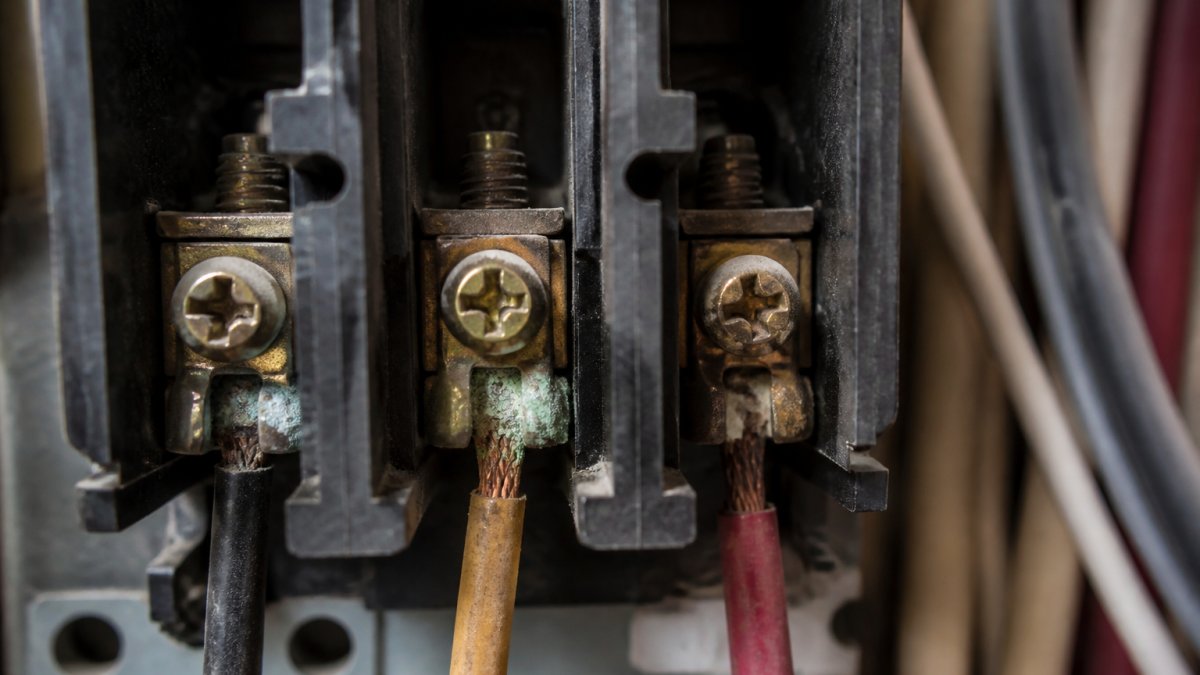
Many electricians replace a flickering fixture without tightening the connections inside it. If the wiring connections weren’t properly secured, the new fixture will flicker just like the old one did.
The proper repair requires:
- Turning off power to the circuit
- Removing the fixture
- Checking all wire connections and tightening them firmly
- Testing the connection with a multimeter if needed
- Reinstalling the fixture and testing it under load
Skipping these steps is why repairs fail. A new fixture looks like a fix, but if the connections aren’t tight, the problem returns.
Voltage Fluctuations in Your Home
Voltage fluctuations can also cause flickering lights. Your home should receive steady voltage between 110 and 130 volts. If voltage drops significantly when appliances like air conditioners or electric water heaters start, lights will flicker.
This usually indicates an issue with your electrical panel, service entrance, or utility connection, not something a fixture replacement will fix. An electrician needs to test voltage at various points to identify where the drop occurs.
Older Austin homes sometimes have undersized service panels that can’t handle modern demands. Running multiple high-power devices simultaneously sags voltage across the system. This is a panel upgrade issue, not a fixture issue.
Flickering lights after repair often means the electrician fixed the symptom (the fixture) but not the cause (loose connections or voltage problems). Always ask your electrician to test voltage and connections, not just replace the fixture.
Loose Electrical Connection Symptoms and Dangers
A loose electrical connection is one of the most serious problems in residential wiring and one of the most common causes of recurring electrical failures.
Loose connections create heat. Current flowing through a poor connection generates resistance and temperatures that can exceed 300 degrees Fahrenheit, melting wire insulation, charring wood framing, and eventually causing fires.
Common symptoms of loose connections include:
- Outlets or switches that feel warm to the touch
- Burning smell near outlets or the electrical panel
- Lights that flicker or dim intermittently
- Breakers that trip frequently
- Outlets that don’t work reliably
- Discoloration or burn marks around outlets or connections
Once a connection becomes loose, it stays loose unless someone physically tightens it. A quick inspection won’t always reveal it; you need to remove outlet covers and switch plates to see inside.
This is why electrical repairs keep failing in many Austin homes. The electrician addresses the immediate problem but doesn’t systematically check all connections in the affected circuit.
Electrical Troubleshooting Steps Before Calling a Professional
Before you call for service, basic troubleshooting helps you understand the problem and gives your electrician useful information.
Check Your Panel and Breakers
Your electrical panel is the nerve center of your electrical system. Start there when you notice problems.
Locate your panel, usually in the basement, garage, or utility room, and check that each breaker is labeled with the circuit it controls.
Check for these warning signs:
- Any breaker in the OFF position (it may have tripped)
- Breakers that feel warm to the touch
- Burn marks or discoloration around any breaker
- A burning smell coming from the panel
- Water or corrosion visible inside the panel
If you find a tripped breaker, reset it by switching it fully OFF, then back ON. If it trips immediately, don’t keep resetting it. That indicates a serious problem that needs professional attention.
Never touch the main breaker or the area above it. That’s where utility power enters your home, and it’s always live even if the main breaker is off.
Test Outlets and Look for Damage
Use an inexpensive outlet tester to check outlets throughout your home; it shows whether power is present and properly grounded.
Look for outlets with these problems:
- No power indicator light
- Burn marks or scorch marks
- Outlets that feel warm or hot
- Outlets that smell like burning plastic
- Outlets with loose or damaged covers
Test outlets in the room where you’re experiencing problems, plus adjacent rooms that might share the same circuit. This helps you identify which circuit is affected.
If an outlet has burn marks or feels hot, don’t use it. Turn off the breaker that controls it and call an electrician.
Document When Issues Occur
Keep a simple log of electrical problems, noting:
- The date and time the problem occurred
- Which outlets, switches, or lights are affected
- What appliances were running at the time
- How long the problem lasted
- Whether it happened again
This helps your electrician diagnose faster. A pattern might emerge, like lights always flickering when the air conditioner starts or a breaker always tripping with the kitchen outlets.
Take photos of any burn marks, discoloration, or damage you find. Show these to your electrician. Visual evidence helps them understand what’s happening even if the problem isn’t occurring when they visit.
Why Quick Fixes Don’t Last
Quick fixes fail because they treat symptoms instead of causes. A repair may work for weeks or months, but if the underlying problem remains, the issue returns.
Consider a few common scenarios:
Scenario 1: Flickering Light
Quick fix: Replace the light fixture
Real problem: Loose connections in the circuit or voltage fluctuations
Result: New fixture flickers just like the old one
Scenario 3: Dead Outlet
Quick fix: Replace the outlet
Real problem: Loose connection upstream, failed breaker, or damaged wire
Result: New outlet has no power
Each quick fix costs money and wastes time. The real fix requires diagnosis: testing circuits, checking connections, and tracing problems to their source.
This is where a thorough approach to electrical work makes a difference. Finding out why something broke, rather than just fixing what’s broken, can prevent the same problem from returning.
When to Call a Licensed Electrician
Some electrical problems are safe to investigate yourself; others require professional help. Call a licensed electrician if you encounter:
- Breakers that trip repeatedly
- Burning smell from outlets or the panel
- Outlets or switches that feel warm
- Visible burn marks or discoloration
- Flickering lights that don’t stop after basic troubleshooting
- Outlets that don’t work
- Any situation where you’re unsure about safety
Don’t fix these problems yourself. Improper repairs create fire and shock hazards that put your family at risk.
A licensed electrician has the training, tools, and experience to diagnose problems correctly, test circuits, identify faults, and make repairs that last.
When you hire an electrician in Austin, verify they’re licensed, ask about their experience with your type of problem, and get a clear explanation of what they find and recommend.
Electrical problems that keep returning are frustrating and expensive. If you’re dealing with recurring electrical issues in your Austin home, contact Strong Tower Solar Electrical Services & Generators LLC for a thorough evaluation.
Frequently Asked Questions
Why do my electrical problems keep coming back after repairs?
Recurring electrical repairs often happen when the root cause wasn’t identified or when a quick fix masked a deeper problem. Common reasons include loose connections that weren’t properly tightened, undersized wiring that can’t handle your home’s power demands, corroded terminals that degrade over time, or an aging electrical panel struggling to distribute power safely. A thorough diagnosis by a licensed electrician can identify whether you need a permanent solution like panel upgrades or rewiring rather than repeated patches.
What are the symptoms of a loose electrical connection?
Loose electrical connections often cause flickering lights, outlets that don’t hold plugs firmly, buzzing or humming sounds near outlets or the breaker panel, warm spots on outlets or switch plates, and frequent breaker trips. You might also notice burning smells near electrical fixtures or discoloration around outlets. These symptoms indicate that electricity is arcing or creating resistance where it shouldn’t, which generates heat and can eventually damage equipment or pose fire hazards. Don’t ignore these signs, they require professional inspection.
Why does my circuit breaker keep tripping after I reset it?
A circuit breaker that trips repeatedly is telling you something is wrong. It could be an overloaded circuit drawing too much power, a ground fault where electricity is escaping through an unintended path, a short circuit from damaged wiring, or a faulty appliance plugged into that circuit. Resetting the breaker temporarily restores power but doesn’t fix the underlying problem. If it trips again immediately or within hours, stop resetting it and have a licensed electrician diagnose the issue before you risk electrical damage or fire.
Can an outdated electrical panel cause repairs to fail repeatedly?
Yes. Older panels, especially those from the 1980s or earlier, often lack the capacity to safely handle modern power demands from air conditioning, electric vehicles, and multiple appliances running simultaneously. An undersized panel forces breakers to trip frequently, and repeated tripping can wear components out faster. Outdated panels may also use outdated breaker types or have loose connections that deteriorate over time. A panel upgrade is a permanent solution that prevents recurring failures and brings your home into compliance with current electrical codes.