Table of Contents
- Quick Comparison of Top Electrical Panel Brands
- How We Evaluated Electrical Panel Brands
- Premium Load Centers: Square D QO and Siemens PN Series
- Budget-Friendly Options: Square D Homeline and Eaton BR Series
- Modern and Smart-Ready Panels: Leviton, Span, and Schneider Home
- Understanding Electrical Panel Replacement Cost and When to Upgrade
- How to Fix Flickering Lights and Other Panel-Related Issues
- Which Panel Brand Should You Choose?
- Frequently Asked Questions
Last Updated: October 2, 2026
Quick Comparison of Top Electrical Panel Brands
When it comes to upgrading your home’s electrical infrastructure, choosing the right electrical panel brand matters more than most homeowners realize. Your panel isn’t just a metal box on the wall, it’s the backbone of your home’s entire electrical system, managing power distribution, protecting circuits, and increasingly, enabling smart energy management. The best electrical panel brands balance reliability, safety, code compliance, and future-readiness. The right choice prevents costly problems down the road.
| Brand | Best For | Key Strength | Primary Limitation |
|---|---|---|---|
| Square D QO | Reliability-first homeowners | Premium build quality, widely available parts | Higher upfront cost |
| Square D Homeline | Budget-conscious upgrades | Affordable, trusted brand name | Fewer advanced features |
| Siemens PN Series | Engineering-focused upgrades | German engineering standards, strong construction | Limited local availability in some areas |
| Eaton BR Series | General residential upgrades | Competitive pricing, extensive breaker variety | Entry-to-mid level product |
| Leviton Load Center | Modern aesthetic preference | All-plug-on design, smart-ready capability | Proprietary breaker system |
| Span Smart Panel | Smart home integration | Real-time circuit monitoring, solar integration | Significant premium cost |
| Schneider Home | Full energy ecosystem | Unified smart energy control, AI optimization | Requires professional setup |
How We Evaluated Electrical Panel Brands
Selecting the right electrical panel requires understanding what separates premium options from budget choices. We evaluated each brand across five core criteria: durability and build quality, ease of installation and maintenance, code compliance and safety ratings, compatibility with modern electrical loads (EV chargers, heat pumps, solar), and smart home readiness.
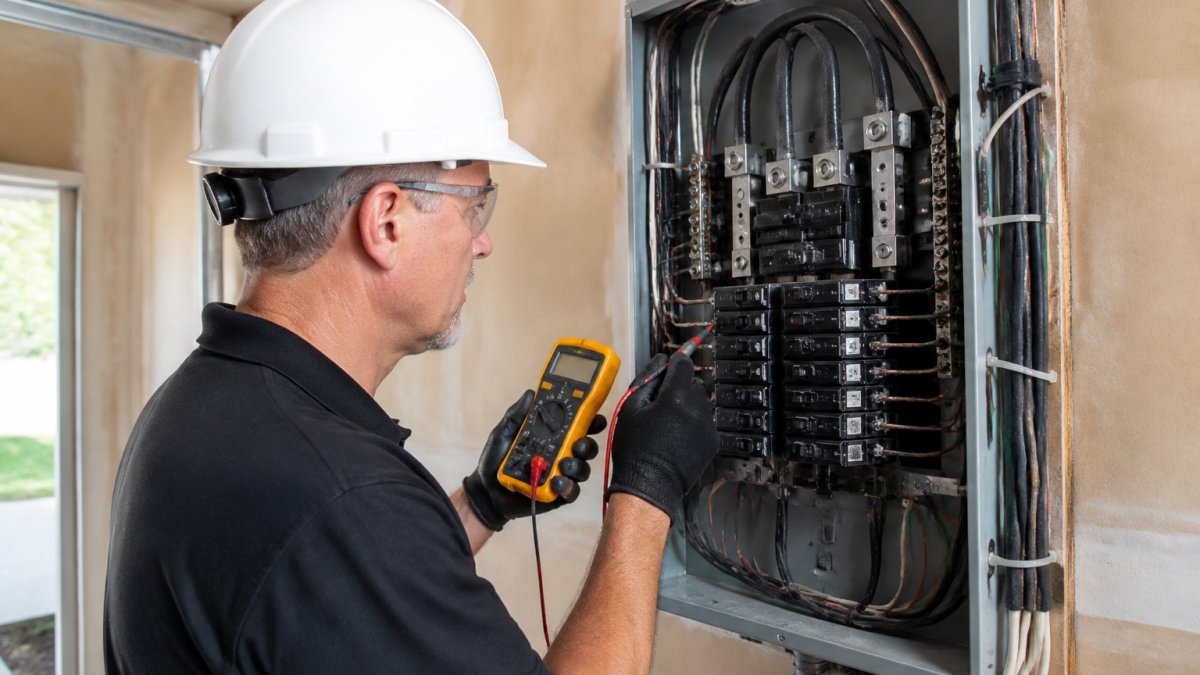
Durability matters because your panel will operate continuously for 25-40 years. Panels with copper bus bars and high-quality internal components handle thermal cycling and voltage fluctuations better than entry-level alternatives. Installation complexity affects both labor costs and long-term reliability, panels with intuitive breaker designs and clear labeling reduce mistakes during installation and future maintenance.
Code compliance is non-negotiable. Every panel must meet the National Electrical Code (NEC) standards for your jurisdiction, including overcurrent protection, grounding requirements, and arc fault circuit interrupter (AFCI) compatibility. Smart readiness has become increasingly important as homeowners add solar systems, EV chargers, and battery backup. Panels that support energy monitoring and load management provide data that traditional panels cannot.
We also considered real-world availability. A premium panel that’s backordered for six months provides no advantage over an available alternative that meets your actual needs.
Premium Load Centers: Square D QO and Siemens PN Series
Square D QO is the gold standard for homeowners who prioritize reliability above all else. This panel delivers premium build quality with copper bus bars, Visi-Trip indicators that make identifying tripped breakers effortless, and a plug-on neutral design that speeds installation. The QO line is widely available, and replacement breakers are stocked at virtually every electrical supply house, a significant advantage if you need service years from now.
The tradeoff is cost. Square D QO panels command a premium price compared to entry-level alternatives, and that investment only makes sense if you plan to stay in your home long-term or need absolute reliability. For homeowners adding demanding loads like EV chargers or heat pumps, the QO’s strong design handles these upgrades without hesitation.
Siemens PN Series represents European engineering standards applied to residential panels. The Insta-wire neutral system simplifies wiring complexity, and the copper bus construction matches Square D’s quality. Siemens panels are built to handle sustained high loads, making them an excellent choice for homes planning significant electrical upgrades.
The catch: Siemens panels aren’t as universally stocked as Square D, which can complicate future maintenance or breaker sourcing in some regions. If your local electrical supply house carries Siemens inventory, this becomes a non-issue. If not, you may face longer wait times for replacements.
Both premium panels cost more upfront but save money over 30+ years through reduced maintenance issues and greater compatibility with future upgrades. If you’re upgrading from an undersized or aging panel, premium quality prevents the need for another full replacement when you add solar or an EV charger later.
Budget-Friendly Options: Square D Homeline and Eaton BR Series
Square D Homeline is the practical choice for homeowners who want the Square D name and reliability without premium pricing. This panel handles standard residential loads reliably and is compatible with a broad range of breakers. Installation is straightforward, and the compact design fits most existing panel locations. Replacement parts are affordable and readily available because Homeline is one of the most common panels in residential installations.
The limitation is feature set. Homeline lacks the advanced capabilities of the QO line, no Visi-Trip indicators, less strong internal construction, but these omissions rarely matter for homes with stable electrical loads. If you’re replacing a failed panel in a 1980s home that doesn’t plan major electrical upgrades, Homeline is sensible.
Eaton BR Series competes directly on price and availability. The in-board neutral design produces cleaner wiring, and Eaton’s breaker ecosystem is extensive. BR panels are widely available at major retailers, which means competitive pricing and quick availability.
Eaton BR is positioned as an entry-to-mid-level product, meaning it handles standard residential needs without the durability premium of Square D or Siemens. For homes with modest electrical demands and no planned upgrades, BR Series works fine. For homes planning EV chargers or solar, the next tier up is worth considering.
Budget panels are not “cheap panels” if they meet code and handle your load. The risk emerges when you underestimate future electrical needs. Choosing a budget panel for a $20,000 home upgrade and then discovering you need a second full panel replacement in five years turns a savings into expensive regret.
Modern and Smart-Ready Panels: Leviton, Span, and Schneider Home
Leviton Load Center appeals to homeowners who value aesthetics and simplicity. The all-plug-on design means every breaker plugs in the same way, no mixed neutral/breaker styles, which simplifies installation and maintenance. The white-colored breakers and clean enclosure design look intentional rather than utilitarian.
The smart-ready capability is real but limited. Leviton supports optional monitoring, but the system is less comprehensive than dedicated smart panels. The proprietary breaker design locks you into Leviton breakers, which limits third-party options if you need specialized circuits (like AFCI or GFCI breakers from other manufacturers).
Span Smart Panel is the standout for homeowners serious about energy management. Real-time circuit-level monitoring shows exactly which appliances consume power. The mobile app lets you control individual circuits remotely, useful for load shedding during peak demand or managing backup power during outages. Integration with solar systems and battery storage is seamless.
The cost is substantial. Span panels cost significantly more than traditional panels, and installation requires professional expertise. This investment makes sense for homes with solar, EV chargers, or battery backup. For a standard home with no renewable energy plans, Span is overkill.
Schneider Home takes smart energy further by integrating the panel with home automation and AI-driven optimization.
Homeowners with solar systems, battery backup, or EV chargers who want granular control over energy flows and real-time monitoring. Skip if your home has stable, predictable electrical loads and no renewable energy plans.
Understanding Electrical Panel Replacement Cost and When to Upgrade
Panel replacement cost varies dramatically based on your current setup, local labor rates, and the panel you choose. The panel itself is only part of the equation, the bulk of cost comes from disconnecting the old panel safely, upgrading wiring if needed, and ensuring the new installation meets current code.
How to Fix Flickering Lights and Other Panel-Related Issues
Flickering lights often signal a panel problem, though not always a catastrophic one. The most common cause is a loose connection at the main breaker or service entrance, a safety issue that requires professional attention but not necessarily a full panel replacement. Intermittent flickering suggests loose wiring; constant dimming when heavy loads run (like your HVAC starting) suggests insufficient panel capacity.
Regular maintenance prevents most panel problems. Have a licensed electrician inspect your panel every 5-10 years, especially if your home is over 20 years old. Early detection of loose connections or degraded components prevents emergency failures.
Which Panel Brand Should You Choose?
The best electrical panel brand depends on your priorities, timeline, and planned electrical upgrades.
National Electrical Code standards and requirements
Circuit breaker safety and overcurrent protection guidelines
Residential electrical system upgrades and panel sizing information
Frequently Asked Questions
Is Square D or Eaton better for residential use?
Both are solid choices for residential electrical panels, but they serve different needs. Square D offers two lines: the QO series for premium reliability and the Homeline series for budget-conscious homeowners. Eaton BR series excels in affordability and availability at major retailers. Square D generally has better long-term resale value and wider parts availability, while Eaton is more cost-effective upfront. Your choice depends on whether you prioritize durability and brand reputation or initial savings.
What is the 80% rule for electrical panels and why does it matter?
The 80% rule, established by the National Electrical Code (NEC), states that the continuous load on a breaker panel should not exceed 80% of its rated capacity. For a 200-amp panel, this means you should not exceed 160 amps of continuous load. This rule exists to prevent overheating, reduce fire risk, and provide safety margin for temporary load spikes. When planning upgrades like EV chargers or pools, this rule determines whether your existing panel can handle the addition or if replacement is necessary.
How often should an electrical panel be replaced?
Most residential electrical panels last 25 to 40 years with proper maintenance. However, replacement may be needed sooner if you experience frequent breaker trips, flickering lights, burning smells, or if you’re adding significant loads like EV chargers or backup generators. Panels manufactured before 1990 may use outdated technology and should be inspected by a licensed electrician. Regular inspection every 3 to 5 years helps identify deterioration early.
What brand of electrical panels are uninsurable?
Certain older panel brands, particularly Federal Pacific Electric (FPE) Stab-Lok and Zinsco panels, have been flagged by insurers due to documented safety issues and higher fire risk. Some insurers will not issue policies for homes with these panels, while others charge higher premiums. If your home has one of these panels, replacement is often required before obtaining or renewing homeowner’s insurance. Have a licensed electrician inspect your panel if you’re unsure of the brand.